
Creative Industries Ivory Coast / Côte d’Ivoire
Côte d’Ivoire, or Ivory Coast, boasts a rich cultural heritage and a dynamic creative sector that reflects its diverse traditions, artistic innovation, and growing economic potential. As one of West Africa’s cultural powerhouses, the country’s creative industries play a vital role in fostering national identity and driving economic development.

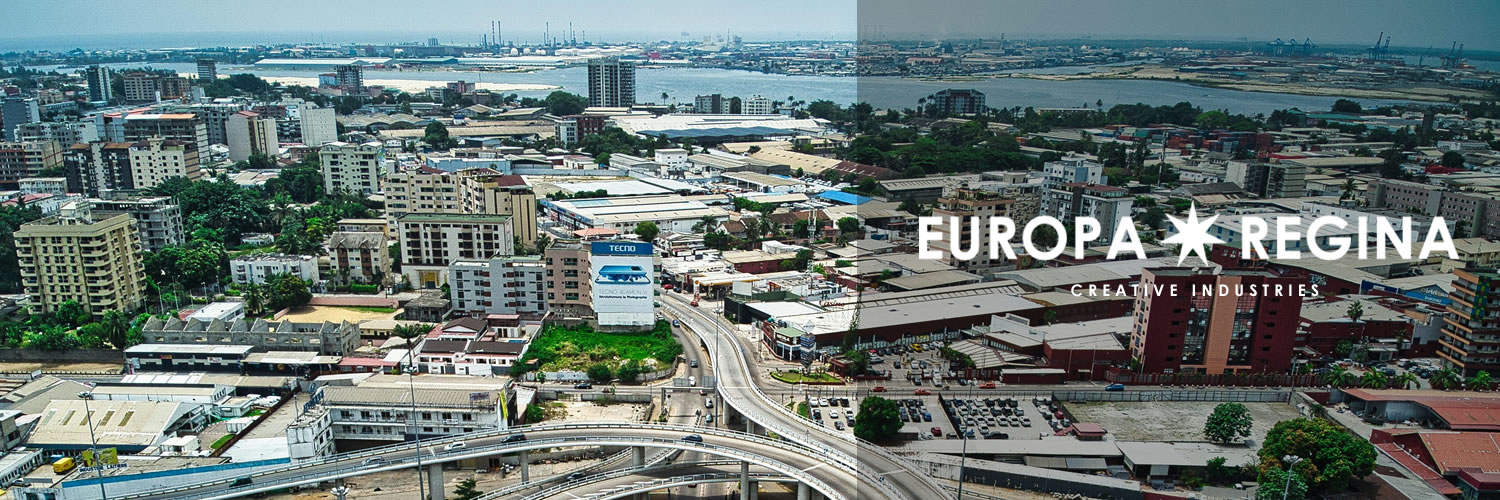
Key Sectors in Côte d’Ivoire’s Creative Economy
- Music and Performing Arts
Ivory Coast’s music scene is renowned across Africa, with genres like Coupé-Décalé and Zouglou originating from the country. Artists like Magic System have achieved international acclaim, bringing Ivorian music to the global stage. The performing arts, including dance and theater, also flourish, with traditional and contemporary forms celebrating the nation’s cultural heritage. - Film and Television
The Ivorian film industry is emerging as a significant player in Francophone Africa. Productions often explore themes of identity, resilience, and social issues. Festivals like the Abidjan International Film Festival (FICA) provide a platform for local filmmakers to showcase their work and attract international attention. - Fashion and Textile Design
The country’s fashion scene combines traditional and modern influences, with vibrant textiles like kente and bogolanfini (mud cloth) at the forefront. Designers such as Gilles Touré and Pathé’O have garnered recognition for their work, contributing to a growing fashion industry that emphasizes Ivorian identity and craftsmanship. - Visual Arts
Ivory Coast is home to a thriving visual arts community, with contemporary artists like Aboudia gaining global attention for their innovative work. Traditional crafts, including wood carving, pottery, and beadwork, remain integral to the cultural landscape and serve as a foundation for modern artistic expressions. - Literature and Publishing
The country has a strong literary tradition, producing renowned authors such as Ahmadou Kourouma, whose works have gained international acclaim. Literary festivals and initiatives aim to support emerging writers and promote Ivorian literature both locally and abroad. - Digital Media and Technology
The rise of digital technology has opened new avenues for creativity in Côte d’Ivoire, particularly in animation, gaming, and content creation. Social media platforms have become vital tools for promoting Ivorian culture and connecting creatives with global audiences.
Trends in the Creative Industries
- Cultural Preservation through Modernity: Many Ivorian creatives are blending traditional elements with contemporary techniques to preserve their heritage while appealing to modern audiences.
- Regional and Global Collaboration: Partnerships with other African nations and international organizations are enhancing the visibility of Ivorian talent.
- Youth-Driven Innovation: A burgeoning youth population is fueling creativity, particularly in digital media and street art.
- Festivals and Events: Events like MASA (Market for African Performing Arts) in Abidjan attract regional and global attention, showcasing the country’s rich cultural offerings.
Challenges
- Funding and Infrastructure: Limited access to resources and facilities poses a challenge for many creatives.
- Market Access: Ivorian creatives often face difficulties in distributing their work both locally and internationally.
- Piracy and Intellectual Property: Ensuring legal protections for creative works remains a pressing issue.
Opportunities and Future Prospects
With continued investment in infrastructure, education, and policy support, Côte d’Ivoire’s creative industries have the potential to become a significant driver of economic growth and cultural diplomacy. Initiatives to promote local talent, foster innovation, and build international partnerships will be crucial in sustaining the sector’s momentum.
- Government Support: Initiatives to promote creative industries, such as cultural festivals and training programs, are helping to build capacity within the sector.
- Global Demand for African Culture: Growing interest in African art, music, and fashion provides opportunities for Ivorian creatives to reach international markets.
- Tourism and Culture: Leveraging the country’s creative industries to enhance cultural tourism can further boost the economy.
Côte d’Ivoire’s creative industries are a vibrant reflection of its cultural richness and innovative spirit. With continued investment in infrastructure, education, and intellectual property protection, the sector has the potential to become a major driver of economic growth and cultural diplomacy. As the nation builds on its rich traditions and embraces modernity, it stands poised to make a lasting impact on the global creative stage.
Republic of Côte d’Ivoire / République de Côte d’Ivoire
Close ties to France following independence in 1960, the development of cocoa production for export, and foreign investment all made Cote d’Ivoire one of the most prosperous of the West African states but did not protect it from political turmoil. In December 1999, a military coup – the first ever in Cote d’Ivoire’s history – overthrew the government. Junta leader Robert GUEI blatantly rigged elections held in late 2000 and declared himself the winner. Popular protest forced him to step aside and brought Laurent GBAGBO into power. Ivorian dissidents and disaffected members of the military launched a failed coup attempt in September 2002 that developed into a rebellion and then a civil war. The war ended in 2003 with a cease fire that left the country divided with the rebels holding the north, the government the south, and peacekeeping forces a buffer zone between the two. In March 2007, President GBAGBO and former New Forces rebel leader Guillaume SORO signed an agreement in which SORO joined GBAGBO’s government as prime minister and the two agreed to reunite the country by dismantling the buffer zone, integrating rebel forces into the national armed forces, and holding elections. Difficulties in preparing electoral registers delayed balloting until 2010. In November 2010, Alassane Dramane OUATTARA won the presidential election over GBAGBO, but GBAGBO refused to hand over power, resulting in a five-month stand-off. In April 2011, after widespread fighting, GBAGBO was formally forced from office by armed OUATTARA supporters with the help of UN and French forces. Several thousand UN peacekeepers and several hundred French troops remain in Cote d’Ivoire to support the transition process. OUATTARA is focused on rebuilding the country’s infrastructure and military after the five months of post-electoral fighting and faces ongoing threats from GBAGBO supporters, many of whom have sought shelter in Ghana. GBAGBO is in The Hague awaiting trial for crimes against humanity.
Economy
Cote d’Ivoire is heavily dependent on agriculture and related activities, which engage roughly two-thirds of the population. Cote d’Ivoire is the world’s largest producer and exporter of cocoa beans and a significant producer and exporter of coffee and palm oil. Consequently, the economy is highly sensitive to fluctuations in international prices for these products and to climatic conditions. Cocoa, oil, and coffee are the country’s top export revenue earners, but the country has targeted agricultural processing of cocoa, cashews, mangoes, and other commodities as a high priority. Mining gold and exporting electricity are growing industries outside agriculture.
Following the end of more than a decade of civil conflict in 2011, Cote d’Ivoire has experienced a boom in foreign investment and economic growth. In June 2012, the IMF and the World Bank announced $4.4 billion in debt relief for Cote d’Ivoire under the Highly Indebted Poor Countries Initiative. For the last 5 years Cote d’Ivoire’s growth rate has been among the highest in the world.
Population:
29,981,758 (2024)
28,088,455 (2021)
24,184,810 (2017)
Internet country code: .ci
Capital: Yamoussoukro
Government:
Official website: gouv.ci
Official Tourism website: tourismeci.org