
Fashion Weeks Middle East: Directory & Industry Guide
Fashion Weeks are trade events open to registered buyers, press and members of the fashion industry only
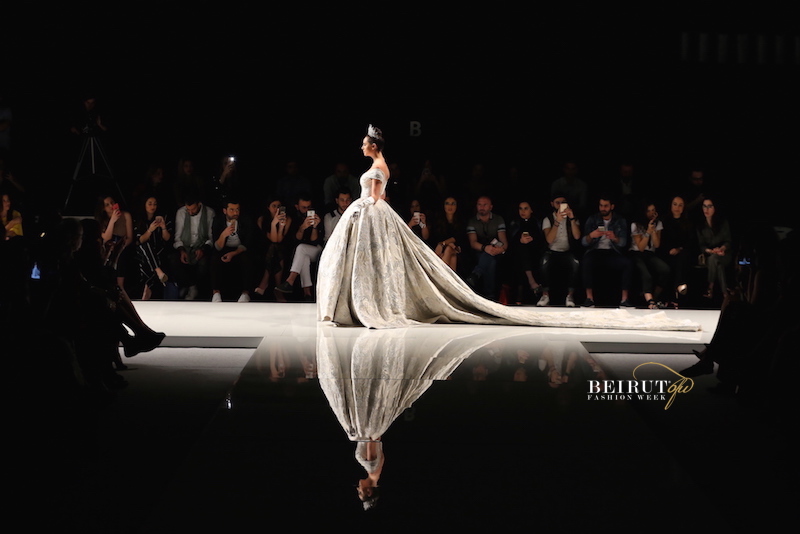
Beirut Fashion Week | Lebanon
Last updated: July 29, 2026
The Middle East is one of fashion’s fastest-growing regions. Dubai and Riyadh now host official fashion weeks that draw international designers, buyers, and retailers. Consequently, the region increasingly shapes global fashion conversations, not just regional ones.
Below, you’ll find every Middle Eastern fashion week by country, followed by the latest industry news, key trends, and the region’s growing economic impact.
Directory
| Fashion Week | Country |
|---|---|
| Bahrain Fashion Week | Bahrain |
| Cairo Fashion Week | Egypt |
| Tel Aviv Fashion Week | Israel |
| Beirut Fashion Week | Lebanon |
| Qatar Fashion Week | Qatar |
| Riyadh Fashion Week | Saudi Arabia |
| Arab Fashion Week | UAE |
| Dubai Fashion Week | UAE |
| Emirates Fashion Week | UAE |
| International Fashion Week Dubai | UAE |
Arab Fashion Council
Building an Arab Economy Based on Creativity, Talent Development and Know-How
The Arab Fashion Council (AFC) is the world’s largest not-for-profit organization uniting the 22 Arab countries under a shared creative economy. Founded in 2014, it is registered under UAE federal law and funded by industry patrons and commercial sponsors.
The AFC’s strategic pillars include creative economy development, education, sustainability, and fashion for humanity. It works closely with UNESCO’s Doha office on cultural development initiatives. The council also coined “Ready-Couture,” a term now representing over 70% of the global luxury market share.
The AFC endorses and coordinates Dubai Fashion Week, the region’s main platform for promoting Arab fashion globally. Read more →
Latest News in Middle East Fashion Weeks
- Vivienne Westwood makes historic Riyadh debut. The British house became the first international fashion label to show at Riyadh Fashion Week, presenting an open-air runway collection with couture gowns crafted by Saudi artisans. Read more →
- Saudi fashion industry set to reach $42 billion by 2028. According to WWD, fashion now contributes 2.5% to the kingdom’s GDP. Riyadh Fashion Week continues attracting major international retailers, including Selfridges. Read more →
- Dubai Fashion Week returns for its Autumn/Winter 2026/27 edition. Running February 1–6, 2026, the event features homegrown UAE and MENA brands alongside designers from India, France, Italy, and the UK. Read more →
- Dubai Fashion Week welcomes new countries to the runway. The Spring/Summer 2026 edition marked official debuts from Germany, the Netherlands, and Croatia, reinforcing Dubai’s growing international reach. Read more →
History
Dubai Fashion Week (est. 2006) – One of the Middle East’s first major fashion events, showcasing a blend of international and regional designers reflecting Dubai’s cosmopolitan identity.
Arab Fashion Week (est. 2015, now Dubai Fashion Week) – A multi-city platform for designers from the Arab world and beyond, featuring ready-to-wear and couture collections.
Saudi Fashion Week, Riyadh (est. 2018) – Launched to promote local talent and support Saudi Arabia’s growing fashion industry.
Fashion Forward Dubai (est. 2013) – A biannual event focused on promoting Middle Eastern designers through runway shows, presentations, and panel discussions.
Istanbul Fashion Week (est. 2010) – Showcases the blend of East and West influences central to Turkish fashion.
Qatar Fashion Week, Doha (est. 2011) – A platform for local and international designers, aiming to position Qatar within the global fashion industry.
Key Trends Shaping Middle East Fashion Weeks
Three trends define the region’s fashion weeks today.
International expansion. Dubai Fashion Week increasingly draws designers from outside the region — including recent debuts from Germany, the Netherlands, and Croatia. As a result, the event now functions as a genuine global platform, not solely a regional one.
Government-backed growth. Saudi Arabia’s Vision 2030 strategy actively invests in fashion as part of its wider creative economy push. Riyadh Fashion Week directly reflects this, with strong government and commission-level support.
Modest and ready-to-wear couture. The Arab Fashion Council’s “Ready-Couture” concept, blending accessible pricing with couture-level craftsmanship, now represents a majority share of the global luxury market.
Economic Impact and What’s Next
The Middle East’s fashion economy is expanding quickly. Notably, Saudi Arabia’s fashion industry alone is projected to reach $42 billion by 2028, contributing meaningfully to the kingdom’s GDP.
Government commissions actively support this growth. The Saudi Fashion Commission, for example, works directly with local brands and hosts international buyers to strengthen retail and export opportunities.
Dubai continues to build on over a decade of design investment through Dubai Design District (d3). Furthermore, its position ahead of New York, London, Milan, and Paris on the fashion calendar gives Middle East fashion weeks early visibility each season.
Together, these developments position the region as a serious, expanding force in global fashion, backed by clear economic strategy rather than runway spectacle alone.