
Paris Fashion Week | France, Europe


Last updated: July 30, 2026
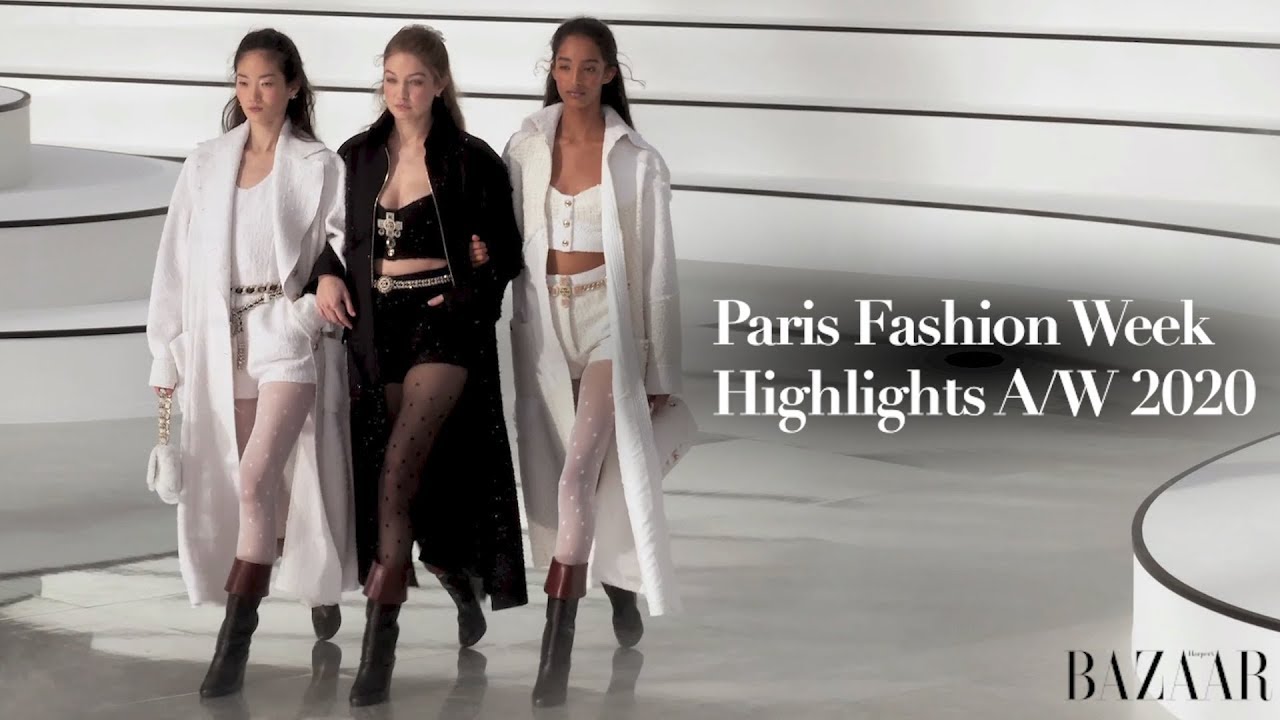
Paris Fashion Week is the final and most influential stop on fashion’s “Big Four” calendar. The Fédération de la Haute Couture et de la Mode (FHCM) organizes it four times a year, coordinating haute couture, womenswear, and menswear collections from the world’s leading houses.
History
Paris Fashion Week traces back to 1868, when couturier Charles Frederick Worth founded the Chambre Syndicale de la Couture. It became the Chambre Syndicale de la Couture Parisienne in 1910, then the Chambre Syndicale de la Haute Couture in 1945, when France legally protected the “Haute Couture” designation. Read more →
On a single day in October 1973, the Chambre Syndicale du Prêt-à-Porter des Couturiers et des Créateurs de Mode and the Chambre Syndicale de la Mode Masculine were both founded, unifying womenswear and menswear under one federation. In June 2017, the federation adopted its current name, the Fédération de la Haute Couture et de la Mode. Read more →
Leadership has shifted more recently than the federation’s structure suggests. Bruno Pavlovsky, president of Chanel, was elected FHCM president in 2022, succeeding Ralph Toledano, who had led since 2014. This July, Pavlovsky was re-elected for a second four-year term. Pascal Morand continues as executive president, a role he’s held since 2015. Read more →
Next Event
Paris Fashion Week’s Women’s Ready-to-Wear Spring/Summer 2027 runs September 28 to October 6, 2026, with 68 shows and 33 presentations confirmed. Menswear returns in January 2027 for Fall/Winter 2027-28. Check the FHCM official calendar for the full lineup as it’s confirmed.
Economic and Industry Impact
Paris Fashion Week generates measurable global attention each season. The Haute Couture Spring/Summer 2025 edition alone, with 29 shows, produced an estimated €200 million in media impact value through worldwide coverage.
Yet the federation itself runs on a comparatively modest budget. Pavlovsky told WWD the FHCM operates on around €5 million a year, funded by members and partners including DEFI, L’Oréal Paris, and DS Automobiles. He’s flagged that maintaining Paris’s leadership among the Big Four will require members and sponsors to contribute more, given fast-changing competition among global fashion weeks.
A Story Worth Telling
Since the modern federation’s founding in 1973, every one of its presidents has been a man: Jacques Mouclier, Didier Grumbach, Ralph Toledano, and now Bruno Pavlovsky.
Go back one layer further, though, and the picture shifts. The Chambre Syndicale de la Haute Couture, the oldest of the federation’s three bodies, dating to 1868, was led for nearly two decades by a woman: sculptural couturière Madame Grès, elected president in 1972 and in the role until around 1989. She succeeded Lucien Lelong, the president credited with keeping Parisian couture from being forcibly relocated to Berlin during the German occupation. Read more →
It’s a detail easy to miss in an industry so visibly shaped by women designers and women consumers, who make up its largest customer base worldwide, yet governed, at the federation level, entirely by men since its modern founding. Madame Grès remains the exception, not the rule — and, as far as available records show, still the only one.

Paris Fashion Week
fhcm.paris
← Return to Fashion Weeks Europe Directory